
10 Great Quotes About Poets, Poetry, and Writing by E.E. Cummings

Dear Readers,
I am pleased to announce that today’s post is the first in a planned series of monthly photo prompts to help inspire you to write new poetry, flash fiction, or whatever you like to write. All the photos will come from my color photography blog “Paul’s Wonderful World of Color” @ https://thewonderfulworldofcolor77109243.wordpress.com which I hope you will check out (If you do, as an extra bonus, you may also find that each blog post’s title such as “A Study in Brown” or “Monkey Behind the Door” may provide additional inspiration for your writing. Also while visiting the site, if there is any way that you can like a post or subscribe to follow my blog, I would truly be grateful to you).
Hopefully at least one of these photos will inspire you to start writing some brand-new work based upon it. What you decide to do with the finished piece, of course, is totally up to you although we’d love for you to share it with us on your own blogs,. If you do decide to post it online or submit it to be published in a literary journal, you have my permission to include the photo as well as long as you agree to give me credit as the photographer.
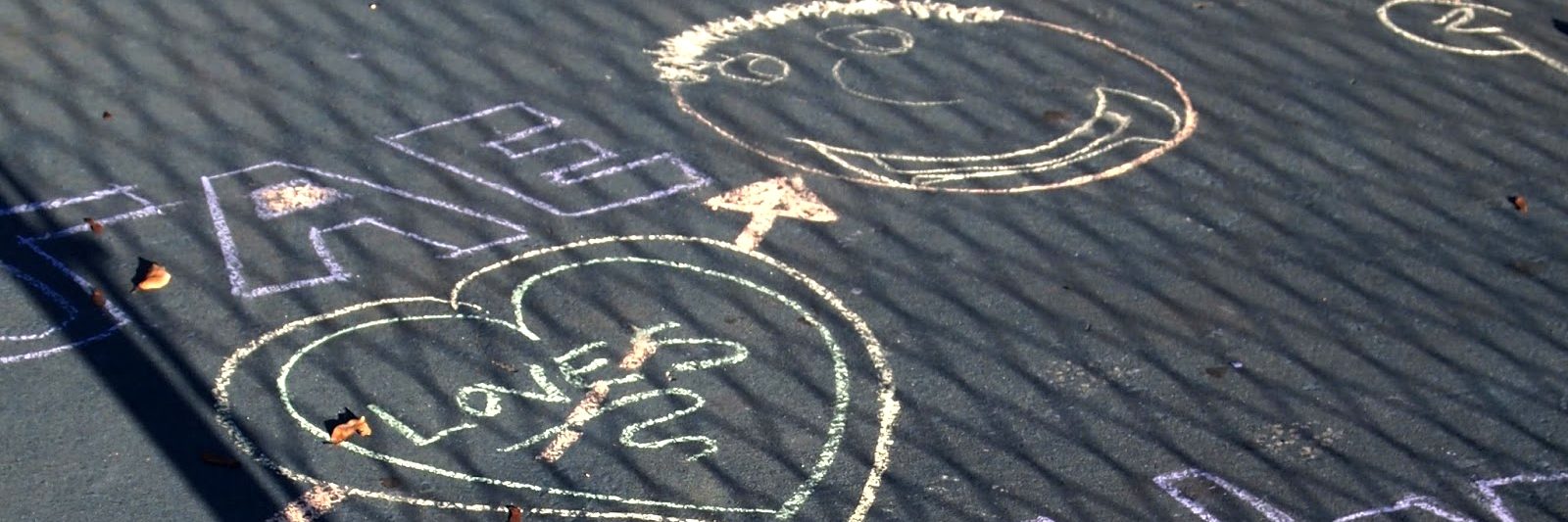
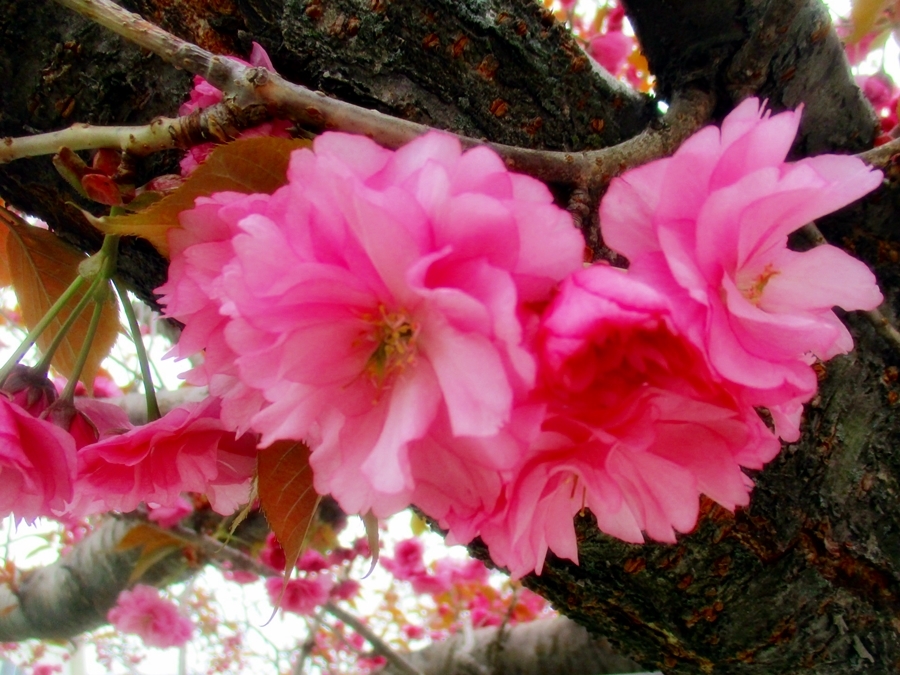
And now here are your six photographic poetry prompts for this month:


Good luck, my friends! Hope these photos will help trigger your own poetic and literary muses, and you will be blessed with a bounty of new writing.
Thank you so much for reading! Please take care, and keep writing, and living the literary life!

My dear readers, believe it or not, I have not written a post on an invented poetry form since June 2022, so to make up for that omission, I have decided today we will be discussing the Blitz poem. The blitz poem is a 50-line stream-of-consciousness poetry form invented by Robert Keim consisting of short phrases and images and emphasizing repetition and rapid flow.
If you would like to try your hand at writing one, I would highly recommend first numbering the page from 1 to 50 to help keep track of the different lines. You begin by writing a short phrase for line number one such as “Keep on smiling” (it probably works best if the phrase is a well-known cliche or popular saying).. Then for the second line, you write a short phrase beginning with the same word as the first such as “Keep on keeping on”.The first 48 lines should be short but contain at least two words.
You then write the third and fourth lines starting with the last word of the second line (for example in this case “On a roll”), .Then both the fifth and sixth lines begin with the last word of the fourth, and so and so on, continuing with each subsequent pair of lines starting with the last word of the line above them thus establishing the poem’s pattern of repetition. You keep doing this for the first 48 lines. Then in the 49th line, you repeat the last word in the 48th and finally conclude the poem with the last word of the 47th as the 50th line.
Another one of the rules for the blitz poem is that the title of your poem should be only three words, with a preposition or conjunction joining the first word from the third line with the first word from the 47th. Also, do not use any punctuation in your blitz poem. When reading your blitz out loud, be sure to read very quickly, only pausing to breathe.
As I have done with all my previous posts on poetry forms, here is a blitz poem I’ve written to help serve both as an example and an inspiration for yours:
So what do you think of the blitz poem, my dear readers? I sincerely wish you will try writing one for yourself, and if you do, I think you will find it fairly easy and very fun to write once you master all the form’s seemingly complicated rules (it is probably even more fun to read out loud). And if you write one, please don’t hesitate to share. I hope you enjoyed this post, and thank you so much for reading!

 Paul's Poetry Playground