
Invented Poetry Forms – The Monolet

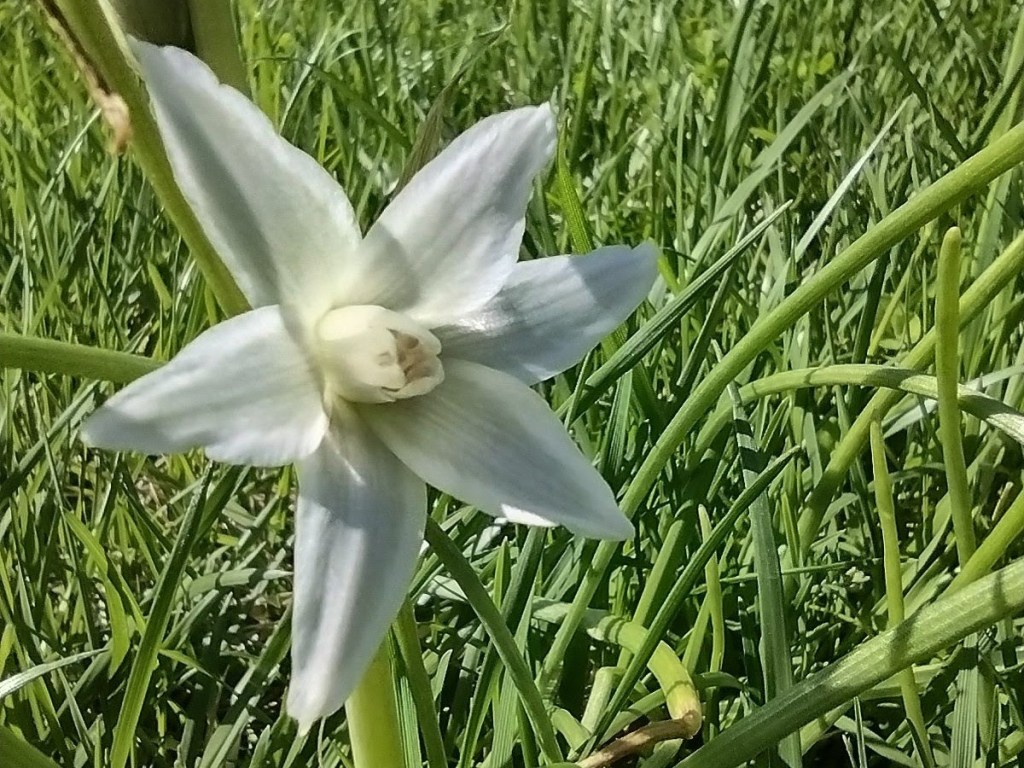
Photo by Paul Szlosek

My dear readers, please forgive me for being AWOL from this blog for over a year and not having posted since March of last year. In an attempt to make it up to you, I am going to share with you today The Monolet, a poetic form that I recently invented inspired by both the Triolet and Biolet.

Similar to the triolet, the monolet is a short poem of eight lines, but it differs since it utilizes a monorhyme (all the lines rhyme with each other). The first line is repeated as both the fourth and eighth & final line, while the second line serves as a refrain in the seventh (so like a biolet, the first two lines are repeated as the final two lines, but in reverse order). In other words, the rhyme scheme of the monolet can be expressed as A1/A2/a/A1/a/a/A2/A1 (with A1 and A2 depicting the repeated lines).

As I have done with all my previous posts on poetry forms, here is a monolet I’ve written to help serve both as an example and an inspiration for yours:

Too Much Praise

Too much praise can either be a stick or a carrot
When it’s given indiscriminately without merit.
With the risk of sounding like a repetitious parrot,
Too much praise can either be a stick or a carrot.
Do not be greedy like a needy, ravenous ferret.
Don’t hog all the attention! Learn to share it!
When it’s given indiscriminately without merit,
Too much praise can either be a stick or a carrot.

So what do you think of the monolet, my dear readers? Like with all the invented poetry forms that I have the pleasure of introducing to you on this blog, I sincerely wish you will try writing one for yourself, and if you do, please don’t hesitate to share. I hope you enjoyed this post, and thank you so much for reading!

Invented Poetry Forms – The Tennet

img_20190116_180729
How a Typical Poet Reacts When First Attempting to Write a Tennet  (Photograph by Ariel Potter)


The tennet is a relatively simple poetry form that I invented (at least compared to the others I created). It consists of two stanzas: a quatrain (4 lines) and a sestet (6 lines). The quatrain has a rhyme scheme of abab, while the sestet has one of cdecde. The lines can be either metered or unmetered, and there are no fixed rules on their length (which can vary through out the poem if you wish). The name tennet, as you probably have already figured out, is derived from “ten line sonnet”, and coincidently is a palindromic word (which reads the same forward and backward).

I  find the tennet to be a fun form to play with, and hope you will try your hand at writing one. If you do, please consider posting your tennet in the comments for all to enjoy!

For inspiration, here are two examples of tennets I have written:


In Praise of Those Tackling “The Bambi Factor”
(From Ideas and Words Taken From Francine
D’Allesandro and Buzz Busby)

Eco-scientists deserve high marks
for creating a “Cuteness Scale”,
which tells us how much we despise sharks
but adore the porpoise and the whale.

They studied just how cuddly
is the cuttlefish,
and determined how few among us
who wouldn’t gladly hug a tree,
yet ever dream or wish
to fondle a fungus.


A Country Not Only For Old Men

It’s not that nostalgia just inflicts the old,
but that the very young have a lot less to miss –
all their favorite candy bars are still being sold,
they have yet to savor the thrill of their first kiss.

We long for what is gone, what we no longer have,
like the widower who pines for his original wife.
Some say even newborns grow homesick for the womb.
Do memories provide comfort, act as a soothing salve?
Maybe the dead eternally reminisce about life,
the resurrected feel sentimental for the tomb?