
Invented Poetry Forms – The Tennet

img_20190116_180729
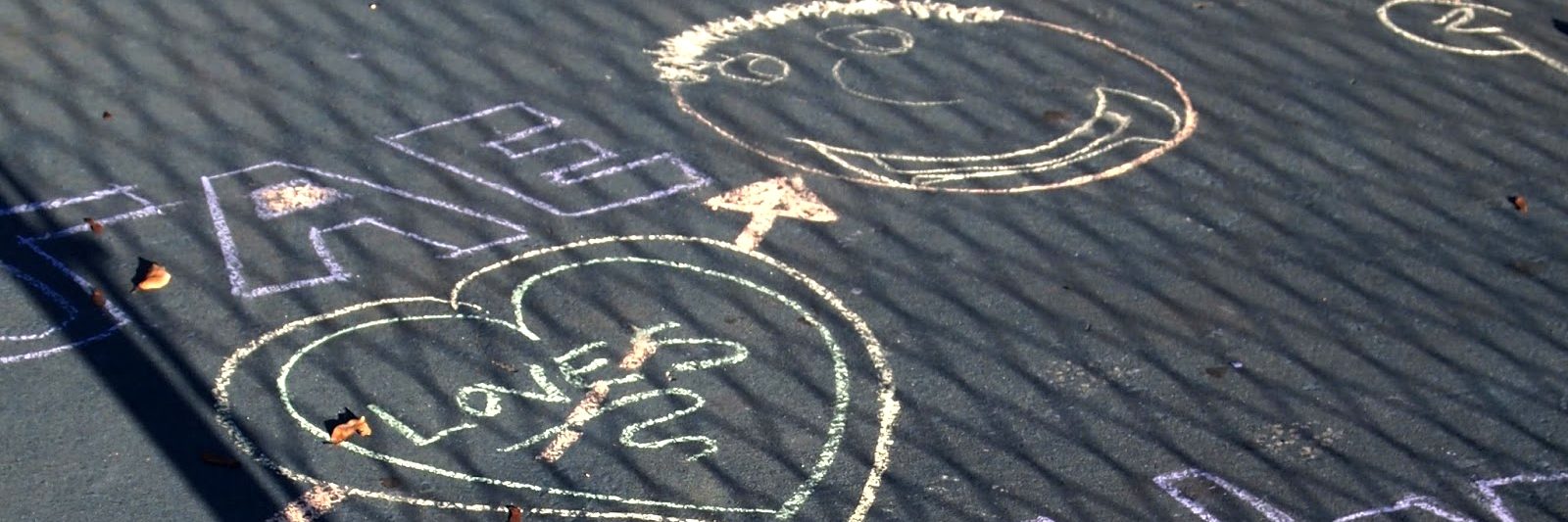
How a Typical Poet Reacts When First Attempting to Write a Tennet  (Photograph by Ariel Potter)


The tennet is a relatively simple poetry form that I invented (at least compared to the others I created). It consists of two stanzas: a quatrain (4 lines) and a sestet (6 lines). The quatrain has a rhyme scheme of abab, while the sestet has one of cdecde. The lines can be either metered or unmetered, and there are no fixed rules on their length (which can vary through out the poem if you wish). The name tennet, as you probably have already figured out, is derived from “ten line sonnet”, and coincidently is a palindromic word (which reads the same forward and backward).

I  find the tennet to be a fun form to play with, and hope you will try your hand at writing one. If you do, please consider posting your tennet in the comments for all to enjoy!

For inspiration, here are two examples of tennets I have written:


In Praise of Those Tackling “The Bambi Factor”
(From Ideas and Words Taken From Francine
D’Allesandro and Buzz Busby)

Eco-scientists deserve high marks
for creating a “Cuteness Scale”,
which tells us how much we despise sharks
but adore the porpoise and the whale.

They studied just how cuddly
is the cuttlefish,
and determined how few among us
who wouldn’t gladly hug a tree,
yet ever dream or wish
to fondle a fungus.


A Country Not Only For Old Men

It’s not that nostalgia just inflicts the old,
but that the very young have a lot less to miss –
all their favorite candy bars are still being sold,
they have yet to savor the thrill of their first kiss.

We long for what is gone, what we no longer have,
like the widower who pines for his original wife.
Some say even newborns grow homesick for the womb.
Do memories provide comfort, act as a soothing salve?
Maybe the dead eternally reminisce about life,
the resurrected feel sentimental for the tomb?

Free Verse Versus Form Poetry

Although I often write in free verse, I have a certain fondness for poetry forms, not only the standard, well-known ones like sonnets, haikus, and sestinas, but especially the weird and obscure like the minute and alphabet poems. In fact, my obsession with them has gone so far, I have repeatedly invented my own.

I am pretty sure you already know what a poetry form is, but recently while conversing with a seasoned poet I never met before at a local open poetry reading, I was shocked to discover that she had no clue what I was talking about. So just in case, you are like that particular lady, form poetry is simply a type of poem (like the previously mentioned sonnets, haikus, and sestinas) that has a distinct set of rules regarding how the poem is to be written, such as the lengths of line, the number of lines and stanzas, subject matter, etc.

When I was teaching poetry workshops for children in libraries and elementary schools, I would often compare writing free verse and form poetry with free play or playing a game such as hopscotch or tic-tac-toe. One is play that is only restricted by your imagination, and the other has a set of rules which you need to follow. Both can be extremely fun, it all depends on what type of play you are in the mood at the time.

Many poets have told me that they could never write a form poem, that they would find it much too difficult and restricting. Yet I actually feel the opposite to be true. For me, it can much easier to follow the rules of a poetry form, which liberates me from having to make such needling decisions as how long to make the lines, or how many lines or stanzas to write. Rhyming too can be freeing, limiting your choice of words at the end of your lines, instead of forcing you to choose the perfect word from almost infinite possibilities.

If you have never tried writing poetry forms before, please give it a try. It is not as daunting as you might think, and you just might enjoy the process. To that end, in my next blog post, I plan to introduce you to a brand new poetry form, one that I invented myself….